Carpet Water Damage Restoration: What Homeowners Need to Know
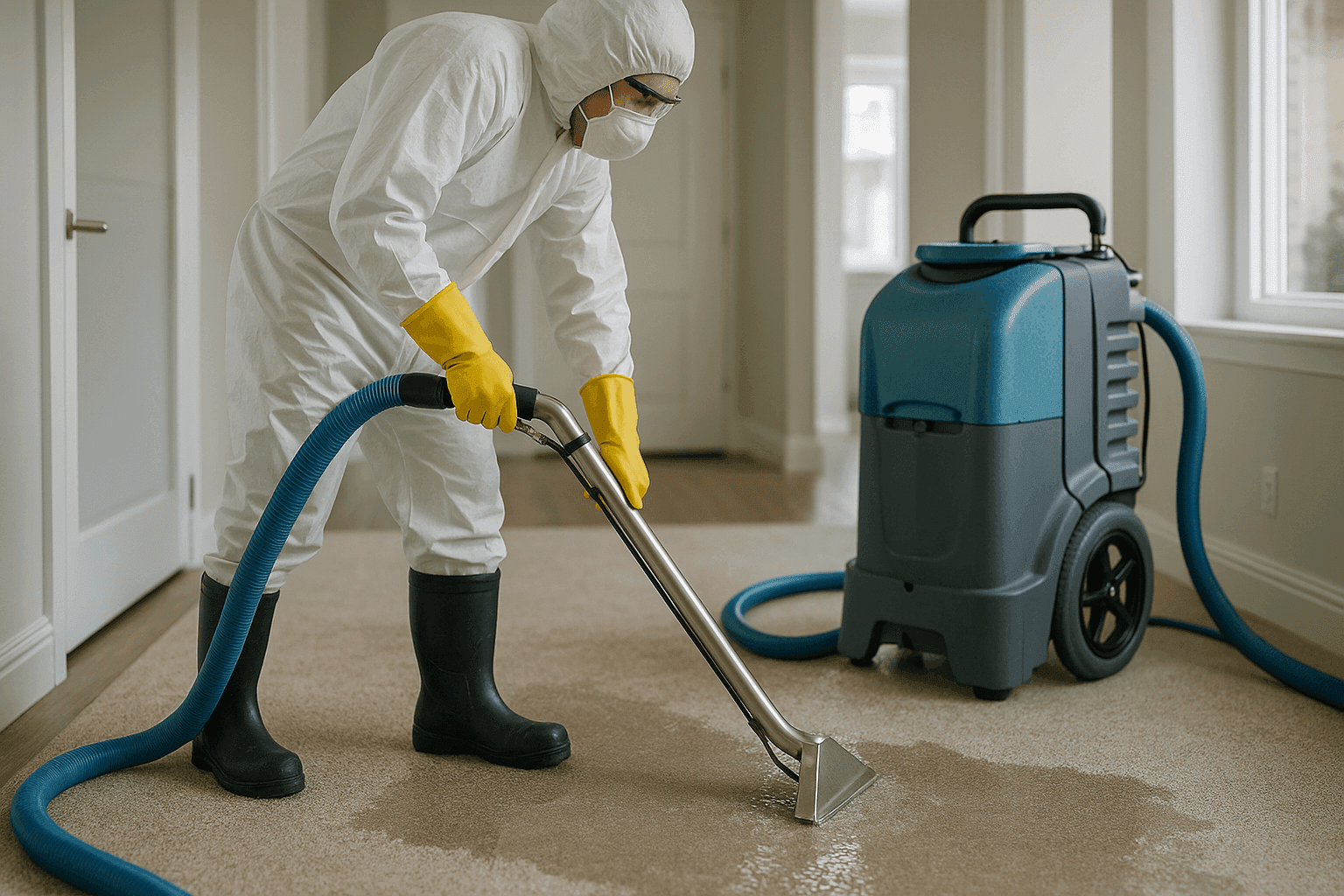
When water soaks your carpet, panic hits fast. Your home’s comfort, safety, and even your health can hang in the balance. At Maxi-Max Carpet Cleaning, we know the stress water damage brings because we’ve helped countless homeowners recover their spaces and peace of mind.
Swift, smart action makes all the difference in carpet water damage. Here’s what every homeowner should know—before, during, and after a spill, leak, or flood.
Common Causes of Carpet Water Damage 💧
Carpet water damage doesn’t wait for a convenient moment. It strikes after heavy rain, burst pipes, leaky appliances, or even a forgotten open window during a storm. Sometimes, it’s a tiny trickle from the bathroom next door. Other times, it’s a tidal wave from a broken washing machine.
Typical causes include:
- Plumbing leaks (pipes, toilets, sinks)
- Appliance failures (dishwasher, washing machine, water heater)
- Roof leaks or basement seepage
- Flooding from storms or rising groundwater
- Overflow from bathtubs, showers, or sinks
Not all water is equal. In the restoration world, water falls into three categories:
- Clean water: From a broken pipe or rain. Less risky—if handled quickly.
- Gray water: Slightly contaminated, like from a washing machine. Caution needed.
- Black water: Sewage or floodwater. Contains harmful bacteria and requires full professional intervention.
Knowing the source determines if your carpet can be saved—or should be replaced for safety.
First Steps: What to Do Immediately
Water damage is a race against the clock. Here’s your emergency checklist:
- Unplug electrical devices in the affected area, if safe.
- Stop the water source—shut off valves or power to broken appliances.
- Move furniture and valuables out of the wet zone.
- Blot up standing water with towels, not your vacuum.
- Open windows and doors for airflow, if weather allows.
- Call your insurance provider to report the incident.
Don’t:
- Don’t walk on wet carpet more than necessary.
- Don’t use regular household vacuums—they're not made for water.
- Don’t wait. Mold can start in as little as 24–48 hours.
If you’re unsure about safety, leave and call for help. The National Institute for Occupational Safety and Health (NIOSH) and the Institute of Inspection, Cleaning and Restoration Certification (IICRC) recommend erring on the side of caution, especially with large spills or any contact with contaminated water.
Assessing the Extent of Damage
Think of your carpet like a layered cake. Water doesn’t just soak the surface—it dives deep. Padding, subfloor, even baseboards may be affected.
To assess damage:
- Check how far the water has spread.
- Smell for musty odors—an early mold warning.
- Look for discoloration, bubbling, or sagging carpet.
- Feel for dampness beyond what’s visible.
When can a carpet be salvaged?
- If water is clean and you act fast, carpets can often be saved.
- Gray or black water? The risk to health is higher, making replacement the safer choice.
For a full evaluation, professional tools like moisture meters and thermal imaging cameras are used. Maxi-Max Carpet Cleaning’s certified technicians rely on industry standards from the IICRC S500 Guidelines for Water Damage Restoration.
Professional Restoration Process
Calling for professional carpet_cleaning after water damage isn’t just about drying things out. It’s about restoring safety, comfort, and air quality.
Our process at Maxi-Max Carpet Cleaning involves:
1. Inspection and Classification
- Identifying the type and category of water.
- Measuring moisture levels in carpet, padding, walls, and subfloor.
2. Water Extraction
- High-powered equipment removes water from carpet and padding.
- Special attention to corners, edges, and under baseboards.
3. Carpet Removal (if needed)
- If water is contaminated or damage is severe, carpets and pads may need to be pulled up.
4. Drying and Dehumidification
- Industrial fans and dehumidifiers run for several days.
- Air movers are strategically placed for maximum effect.
- Regular monitoring ensures progress.
5. Cleaning and Sanitizing
- Eco-friendly, non-toxic cleaning agents used.
- Steam cleaning or dry carpet cleaning, depending on carpet type and situation.
- Pet odor removal, allergen removal, and deodorizing as needed.
6. Mold Remediation
- Early detection and removal of mold with approved antimicrobial agents.
- Restoration technicians follow EPA and CDC guidelines to protect your family’s health.
7. Restoration
- Reinstallation, carpet stretching, or even carpet repair.
- Recommendations for carpet protection to guard against future incidents.
Insurance Considerations:
Document everything with photos and notes. Many homeowner policies cover sudden water damage, but not gradual leaks or neglect. Check your policy and work with a restoration provider who understands insurance documentation requirements.
Preventing Mold and Recurring Issues
Water damage is a thief that keeps trying to return. Mold is its sneakiest accomplice.
Prevention tips:
- Act immediately if a spill or leak occurs—time is mold’s best friend.
- Invest in a dehumidifier for damp-prone rooms.
- Schedule regular carpet_cleaning and inspections, especially after storms or plumbing work.
- Use carpet protection products to seal fibers and padding.
- Address small leaks before they become big problems.
Follow CDC and EPA recommendations for moisture control: keep indoor humidity below 50%, and use exhaust fans in bathrooms, kitchens, and laundry rooms.
Quick Safety Checklist 🛑
- Is the water source off?
- Are all electronics unplugged in the area?
- Is the damaged zone blocked off from pets and children?
- Are you avoiding direct contact with contaminated water?
- Do you have professional help on the way?
Safety always comes first. If there’s any doubt—especially with black or gray water—let the professionals handle it.
DIY vs. Call a Pro
Some situations can be handled at home, but many require a professional touch.
DIY:
- Small spills from clean water.
- Quick action with towels, fans, and home dehumidifiers.
- Move furniture and ventilate the space.
Call Maxi-Max Carpet Cleaning:
- Water covers more than a few square feet.
- Water is contaminated (gray or black).
- Carpet padding or subfloor are affected.
- Odors, discoloration, or mold appear.
- You need documentation for insurance.
Professionals bring specialized tools and training. Our team holds IICRC certifications and follows OSHA safety regulations to ensure your home is safe and restored properly.
What Pros Do On Arrival
When Maxi-Max Carpet Cleaning arrives, here’s what to expect:
- Safety check—identify hazards, electrical risks, and water source.
- Use of moisture meters and infrared cameras to map damage.
- Immediate water extraction with commercial-grade machines.
- Removal of damaged carpet, padding, or furniture as needed.
- Set up of high-speed air movers and dehumidifiers.
- Application of antimicrobial agents to prevent mold.
- Daily monitoring and clear communication until your home is dry, clean, and safe.
We also advise on repairs, deodorizing, and long-term carpet protection options.
Prevention & Maintenance
Protecting your home from future water damage is a marathon, not a sprint.
- Inspect plumbing and appliances regularly.
- Replace hoses and seals before signs of wear.
- Clean gutters and downspouts to prevent roof leaks.
- Raise furniture on coasters or blocks in flood-prone areas.
- Consider professional carpet protection and regular dry carpet cleaning near you.
A little prevention saves a lot of restoration.
Costs & Time Factors
Every water damage event is unique. Costs depend on:
- Size of affected area
- Type and category of water
- Extent of carpet, padding, and subfloor damage
- Need for mold remediation or repairs
- Response time
Typical restoration takes:
- 1–3 days for drying and dehumidification
- Up to a week for full restoration in severe cases
Insurance may help with costs. Always check your policy first.
When It’s an Emergency 🚨
Not all water damage needs a siren. But if you notice:
- Large-scale flooding
- Sewage backup (black water)
- Rapid mold growth
- Electrical hazards
Leave the area and call for emergency carpet_cleaning and water damage restoration near you right away. Maxi-Max Carpet Cleaning offers same-day service and 24/7 emergency response.
FAQ
How soon should I act after water damage?
Immediately. The first 24–48 hours are critical to prevent mold and further damage.
Can all wet carpets be saved?
Clean water—maybe, if dried fast. Contaminated water—often, carpets and padding must be replaced for health reasons.
Will insurance cover my carpet water damage?
Many policies cover sudden incidents, but not slow leaks or neglect. Document everything and contact your provider promptly.
Is it safe to stay in my home during restoration?
If the water is clean and there are no electrical or health hazards, often yes. Black or gray water? Best to relocate until cleanup is complete.
Local/Seasonal Considerations
Seasonal storms, melting snow, and burst pipes in winter are common culprits for water damage in many areas. If you live in a flood-prone or humid region, stay vigilant year-round. Schedule regular carpet_cleaning and inspections, especially after extreme weather.
Water damage is tough, but you don’t have to face it alone. Maxi-Max Carpet Cleaning brings certified technicians, industry-approved methods, and genuine care to every restoration.
Call Maxi-Max Carpet Cleaning now — or reach us anytime at 844-449-0144 .